
Hire Skip vs Wait-and-Load Waste Services for Property Projects
Managing waste effectively is an important part of refurbishment, construction, and clearance work. Property improvements, commercial developments, and maintenance projects all produce materials that require structured disposal planning. Choosing the right waste removal method can help maintain organised sites and ensure materials are removed efficiently.
For many projects, the decision often comes down to whether to hire skip services or arrange a wait-and-load collection. Both options provide practical ways to manage waste, but they operate differently and suit different types of projects. Understanding these differences allows property owners and project managers to select the most appropriate solution.
Understanding the Differences Between Waste Removal Methods
When arranging waste disposal, project planners often compare container-based solutions with short-term collection services. Both approaches aim to remove waste efficiently, but the way materials are stored and collected varies significantly.
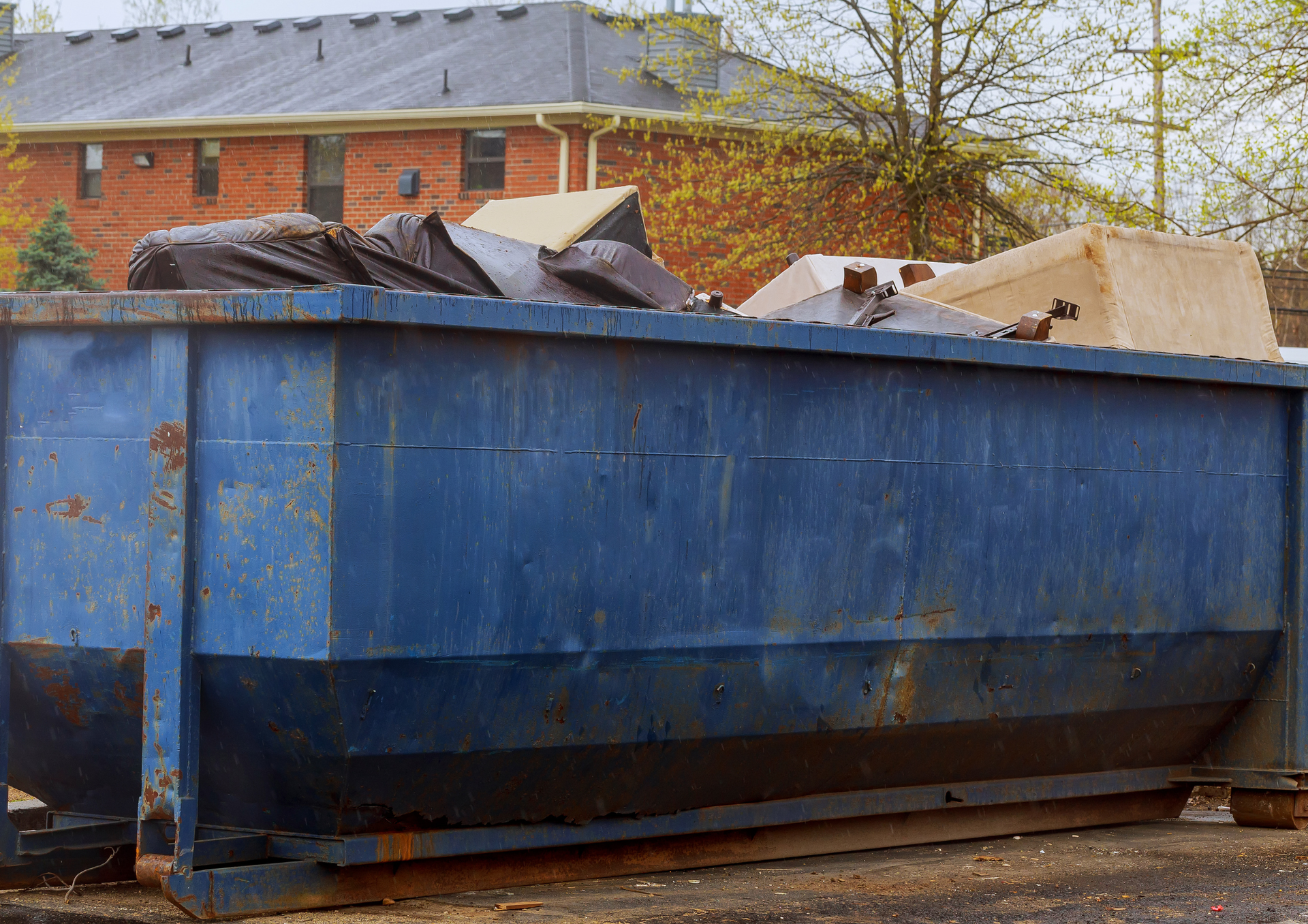
Choosing to hire skip allows waste to be stored on site over a set period. Containers remain in place while projects progress, enabling workers to dispose of materials gradually throughout the job.
Wait-and-load services, by contrast, involve a vehicle delivering a container which is loaded immediately while the driver waits. Once filled, the container is taken straight away. This approach may be useful where containers cannot remain on site for extended periods. The decision between these options often depends on project duration, access conditions, and the amount of waste expected during the works.
Cost Considerations When Planning Waste Removal
Project budgets often include waste management costs, making price awareness an important factor during planning. The method chosen for waste removal can influence overall project expenditure.
Customers comparing skip hire prices often evaluate container size, hire duration, and the type of waste being removed. Larger projects with ongoing waste generation may find container hire more practical because materials can be loaded gradually throughout the work period.
In contrast, wait-and-load services may involve time-based charges because the driver remains on site while materials are loaded. This arrangement can work well for smaller jobs but may be less practical for projects producing waste across several stages. Careful cost planning helps property owners select waste removal arrangements that remain aligned with project budgets and timelines.
Choosing the Right Container for the Project
Container size plays an important role in ensuring waste removal arrangements remain efficient. Different projects generate varying volumes of waste, so selecting the correct container capacity is essential.
Customers evaluating cheap skip bins may consider container size alongside the type of materials being removed. Construction debris, packaging materials, timber offcuts, and renovation waste can accumulate quickly during building projects.
Larger containers are typically used for construction works, while smaller containers are often suitable for household refurbishments or property clearances. Matching container size to the project scope helps ensure waste can be removed efficiently without unnecessary exchanges. Understanding the expected waste volume helps ensure container capacity remains appropriate for the job.
Planning Waste Removal for Different Property Types
Waste removal requirements can vary depending on the type of property and project involved. Residential renovations, commercial upgrades, and public sector developments all produce different waste streams that require organised disposal planning.
Working with local skip hire providers often helps customers coordinate container delivery and placement effectively. Providers with knowledge of local property layouts and access conditions can assist with selecting suitable container sizes and positioning containers safely.
Some projects may also require specialist containers such as bingo skip bins when handling large volumes of construction materials. Selecting appropriate containers allows construction teams and property managers to maintain tidy working environments throughout the project. Understanding available skip sizes also helps ensure containers remain suitable for the scale of the work being carried out.
Skip Hire Altrincham provides dependable container services designed to support both residential and commercial property projects. Our team works closely with homeowners, landlords, surveyors, and local authorities to ensure waste removal arrangements remain organised from delivery through to collection.
With clear guidance on container selection, delivery scheduling, and practical waste management planning, we help customers hire skip services that suit their project requirements. Our focus on reliability and structured waste handling allows projects of all sizes to maintain tidy and efficient working environments.
Latest Post on X:
Hire skip compared with wait-and-load waste services.
You might also like