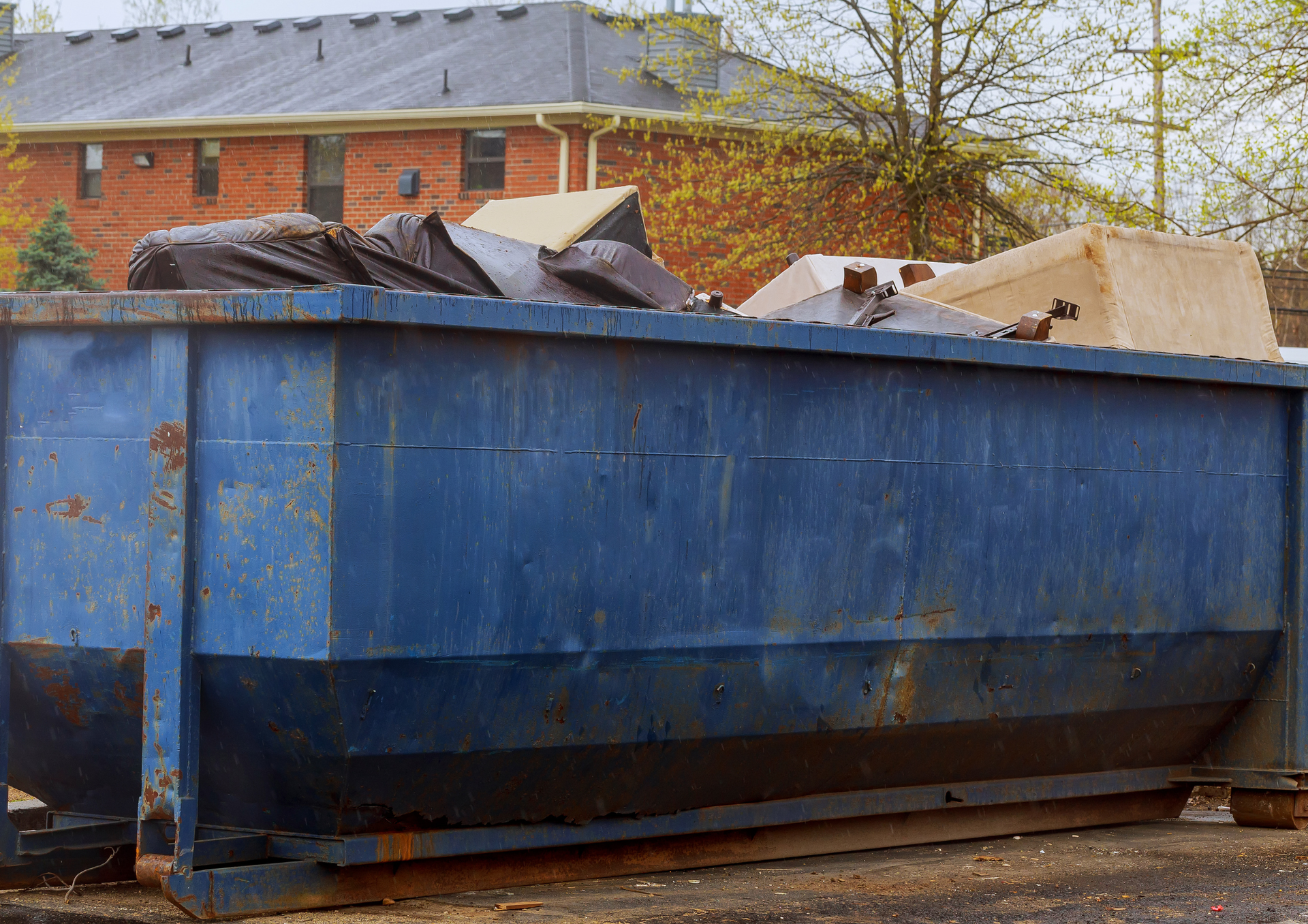

Same Day Skip Hire for Quick and Convenient Household Clearances
Household clearances can quickly become overwhelming when unwanted furniture, old belongings, renovation materials and general rubbish begin to accumulate. Whether preparing a property for new occupants, clearing a garage or managing a substantial home improvement project, having a suitable waste removal solution can make the entire process more manageable.
Arranging same day skip hire provides a practical option for homeowners who need to begin clearing waste without unnecessary delays. Rather than allowing unwanted materials to occupy valuable space, a suitable container can be delivered to the property, allowing waste to be collected in one convenient location throughout the project.
For landlords, surveyors and local authorities responsible for residential properties, efficient waste removal is equally important. Property maintenance, refurbishment work and changes in occupancy often involve strict schedules, making organised waste management an essential part of the planning process.
However, arranging prompt delivery involves more than simply choosing the first available provider. Customers should consider the amount of waste being removed, the type of materials involved, available space for delivery and the expected duration of the clearance.
Understanding these requirements before booking helps prevent unnecessary complications and ensures the chosen waste removal solution supports the project effectively.
Whether clearing a single room or preparing an entire property for renovation, the following guidance explains how to organise household waste removal, select suitable equipment and work with a dependable local provider.
Understanding When Prompt Skip Delivery Is Most Useful
Household clearances do not always follow a predictable schedule. Unexpected maintenance work, changes in tenancy arrangements and urgent property improvements can create situations where waste needs to be removed sooner than originally planned.
Understanding which projects benefit from prompt delivery helps customers make suitable arrangements while maintaining organised working environments.
Household Clearances and Decluttering
- Clearing unwanted furniture, broken household items and accumulated belongings can generate more waste than initially expected, particularly when several rooms are being emptied.
- Having a suitable container available allows homeowners to remove unwanted materials progressively rather than storing rubbish in hallways, gardens or other areas of the property.
- Larger clearances benefit from an organised approach in which reusable items, recyclable materials and general waste are separated before disposal.
- Planning the clearance room by room can help prevent unnecessary disruption while allowing occupants to continue using other areas of the property.
Property Renovations and Refurbishments
- Kitchen replacements, bathroom renovations and flooring projects frequently produce bulky materials that require appropriate handling and disposal.
- Removing old fixtures, damaged fittings and unwanted building materials promptly helps maintain clear access for contractors and other people working on the property.
- Arranging next day skip hire may provide a suitable alternative when the project can accommodate delivery on the following day rather than requiring immediate availability.
- Discussing the expected waste volume before booking helps ensure the selected container has sufficient capacity for the planned work.
End-of-Tenancy Property Clearances
- Landlords and property managers may need to remove abandoned belongings, damaged furniture and general rubbish before preparing a property for new occupants.
- Organised waste removal allows cleaning, maintenance and decorating work to proceed without unnecessary obstruction.
- Checking which belongings can lawfully be removed before beginning the clearance helps prevent misunderstandings concerning items left behind by previous occupants.
- Coordinating delivery with the property maintenance schedule can reduce the time between the previous tenancy ending and the next stage of preparation.
Garden and Outdoor Improvements
- Garden clearances often generate substantial quantities of branches, hedge cuttings, old fencing and unwanted outdoor materials.
- Bulky waste can restrict access to paths, driveways and working areas when it is left outside for extended periods.
- Choosing suitable capacity allows garden waste to be collected in an organised manner throughout landscaping or maintenance work.
- Customers should confirm which materials are accepted before loading, particularly when disposing of soil, rubble, treated timber or mixed construction waste.
Unexpected Maintenance Requirements
- Sudden property damage, urgent repairs and unplanned refurbishment work can create additional waste that was not included in the original project schedule.
- Prompt removal arrangements help prevent unwanted materials from interfering with essential maintenance activities.
- Establishing the available delivery space and expected waste volume before contacting a provider allows the booking process to proceed more efficiently.
- Where immediate delivery is unavailable, agreeing on a suitable alternative collection or delivery schedule can help customers continue planning their work.
How to Arrange a Convenient and Well-Organised Household Clearance
Successful household waste removal begins with understanding the requirements of the property and the work being undertaken. Although arranging a container may appear straightforward, several practical considerations can influence how efficiently the clearance proceeds.
One of the first steps is to identify which items need to be removed. Household furniture, unwanted appliances, old carpets, garden materials and renovation debris can occupy considerable space, particularly when several rooms are being cleared simultaneously.
Preparing a basic waste inventory helps customers estimate the likely volume and identify materials that may require separate disposal arrangements. Not every unwanted item should automatically be placed inside a container. Furniture in usable condition, working household appliances and other reusable belongings may be suitable for donation, resale or collection through alternative services.
Separating these items before beginning the clearance helps reduce unnecessary waste while allowing the remaining materials to be managed more effectively.
Planning the available space
The location of the container is another important consideration. Properties with private driveways may offer convenient placement options, while terraced houses, flats and buildings with restricted access can require additional planning.
Customers should consider whether delivery vehicles can approach the property safely and whether sufficient space is available for unloading and subsequent collection.
When a container must be positioned on a public highway, the relevant local authority requirements should be checked before delivery. Depending on the location and arrangements, a permit or additional safety measures may be necessary. Discussing these details with the provider helps ensure that delivery arrangements are suitable for the property.
Coordinating the clearance schedule
Timing is particularly important when preparing a property for renovation, sale or occupation. A household clearance may involve several stages, including sorting belongings, removing unwanted furniture, completing repairs and arranging final cleaning. Scheduling waste removal around these activities helps maintain clear working areas without requiring materials to be moved repeatedly.
For customers searching online for same day skip hire near me, confirming actual availability is an important part of the booking process. Delivery arrangements can depend on the requested container size, vehicle schedules, property access and the time the enquiry is made.
Providing accurate information about the project allows the company to explain which options are available and whether the requested delivery schedule can be accommodated.
Understanding waste restrictions
Before loading begins, customers should confirm which materials are permitted. Certain items, including asbestos, chemicals, batteries, electrical equipment and some types of hazardous waste, may require specialist collection or separate disposal arrangements.
Plasterboard, mattresses and other materials may also be subject to specific handling requirements or additional charges.Checking these details in advance helps avoid rejected loads, unexpected costs and unnecessary delays during collection.
A well-organised clearance also involves loading materials carefully. Heavy items should be positioned appropriately, and waste should remain within the permitted loading level. Overfilled containers can create safety concerns and may be unsuitable for collection until excess materials have been removed.
By preparing the property, confirming acceptable materials and coordinating delivery with the project schedule, customers can make household waste removal more straightforward from beginning to end.
Choosing the Right Skip Size for Different Household Projects
Selecting an appropriate container is essential for maintaining an efficient clearance. A container that is too small may require additional collections, while choosing excessive capacity can result in unnecessary expenditure.
When arranging same day skip hire, customers should consider the type of project, the expected quantity of waste and the available delivery space before confirming their booking. The following categories provide practical guidance for matching different household projects with suitable container sizes.
Small Household Clearances
- A 2-yard container can be suitable for smaller decluttering projects, minor DIY work and limited quantities of household waste.
- Compact options are often practical for properties with restricted outdoor space, provided suitable vehicle access is available.
- Small containers may also accommodate certain heavier materials, although the permitted load weight and waste restrictions should always be confirmed.
- Customers should estimate the total quantity of unwanted items before booking to avoid selecting insufficient capacity.
Kitchen and Bathroom Renovations
- A 4-yard or 6-yard container may be appropriate for certain kitchen refurbishments, bathroom replacements and moderate home improvement projects.
- Removing old cupboards, flooring, bathroom fittings and damaged fixtures can generate substantial waste even when the room itself is relatively small.
- The weight and type of materials should be considered alongside their physical volume, particularly when disposing of tiles, masonry or other dense waste.
- Discussing the renovation requirements with the provider helps identify an option that accommodates the expected materials without exceeding permitted loading limits.
Larger Property Clearances
- A 6-yard or 8-yard container may be suitable for more extensive household clearances, depending on the quantity and type of waste.
- Emptying several rooms, clearing accumulated belongings or preparing a property for substantial refurbishment can require greater capacity.
- Large furniture and bulky household items should be assessed carefully because they can occupy considerable space even when the overall weight is relatively low.
- Dismantling suitable furniture before disposal may help customers use the available capacity more efficiently.
Commercial and Multi-Property Projects
- Larger containers may be appropriate for substantial refurbishment work, commercial clearances and projects involving several properties.
- Landlords and property managers coordinating multiple clearances should consider whether separate deliveries or scheduled collections would provide a more practical solution.
- Commercial waste requirements can differ depending on the materials involved and the activities taking place at the property.
- Confirming the expected volume, permitted materials and available access helps ensure the selected equipment supports the project without unnecessary disruption.
Delivery Space and Loading Requirements
- Measure the available placement area before booking, allowing sufficient room for the container and the delivery vehicle.
- Consider nearby parked vehicles, overhead obstructions, narrow entrances and other features that could affect safe access.
- Ensure the proposed position allows household waste to be loaded conveniently without obstructing essential access routes.
- Confirm the maximum permitted loading level and weight restrictions before placing heavy or bulky materials inside the container.
- Where the most suitable size is uncertain, providing the company with details of the project can help customers receive more appropriate guidance.
Maintaining Efficient Waste Removal from Delivery to Collection
Once the container has been delivered, careful waste management helps ensure the remainder of the household clearance proceeds efficiently. Customers should establish a practical loading process that allows unwanted materials to be removed progressively while maintaining clear access around the property.
Beginning with larger items can help identify how much space remains for smaller waste materials. However, the weight distribution and loading restrictions should always be considered, particularly when disposing of heavy renovation debris.
It is also important to avoid placing prohibited materials inside the container. Separating unsuitable items before loading reduces the likelihood of collection difficulties and helps ensure waste is handled through appropriate disposal channels. For larger projects, coordinating the clearance with contractors, property managers and other people involved can prevent unnecessary delays.
Keeping the property organised
An effective waste removal arrangement should support the activities taking place inside and outside the property. During renovations, unwanted materials should be transferred to the designated disposal area without blocking entrances, walkways or access to essential equipment.
For occupied homes, maintaining clear routes is particularly important because residents may need to continue using parts of the property while work is underway.
Landlords and local authorities managing vacant properties should also consider how waste removal fits into cleaning, maintenance and inspection schedules. An organised approach allows different stages of the project to proceed without unnecessary interference.
Planning collection arrangements
Collection should be discussed before the hire period begins so customers understand how long the container can remain at the property and what arrangements apply when it is ready for removal.
Some projects follow a predictable schedule, while others may take longer because of unexpected repairs, additional clearance requirements or changes in contractor availability. Communicating these changes promptly allows the provider to explain whether alternative collection arrangements can be accommodated.
Customers requiring skip hire same day delivery should also consider their expected collection date at the booking stage. Confirming both arrangements helps avoid unnecessary uncertainty when the project is approaching completion.
For larger household clearances, a single collection may not always provide sufficient capacity. Discussing the possibility of an exchange or additional container can help customers plan for projects where waste volumes are difficult to estimate.
Responsible waste handling
Responsible disposal is an important part of household waste management. Where appropriate, materials should be separated to support recycling and reduce unnecessary disposal. Reusable household items may also be directed towards suitable donation or reuse services rather than being discarded.
Customers should follow the provider's guidance concerning accepted materials and any additional handling requirements. This approach helps ensure that waste is managed appropriately while allowing the clearance to continue without avoidable complications.
Completing the clearance
Once the container has been collected, the remaining area should be checked for loose rubbish, unwanted materials and any items that require separate removal. A final inspection helps ensure the property is ready for cleaning, refurbishment or occupation.
For homeowners, this may involve preparing the garden, driveway or surrounding area for normal use. For landlords and property managers, it may form part of the final preparation before a property is marketed or handed over to new occupants.
By maintaining clear communication and following a practical waste management plan, customers can complete household clearances with greater efficiency and fewer unnecessary interruptions.
Skip Hire Altrincham provides practical waste removal solutions for homeowners, landlords, surveyors, local authorities and those responsible for residential and commercial properties throughout Altrincham and the surrounding areas.
We understand that household clearances can involve different requirements, from removing unwanted furniture and general rubbish to managing waste during property renovations and maintenance work.
Our approach focuses on helping customers choose suitable equipment while providing clear information about delivery arrangements, accepted materials and collection procedures.
Whether you need a same day skip hire for an urgent household clearance or are planning waste removal for a larger refurbishment, we aim to make the booking process straightforward and convenient.
We recognise that property access, available space and project schedules can vary considerably. By discussing these requirements before booking, we can help customers identify practical arrangements suited to their individual circumstances. Our focus is on clear communication, organised waste management and responsible disposal practices throughout the hire period.
If you are preparing for a household clearance, home improvement project or commercial property refurbishment, contact us to discuss your requirements and arrange a suitable waste removal solution.
Check out our latest X update on how
same day skip hire provides a quick and convenient solution for household clearances!
You might also like