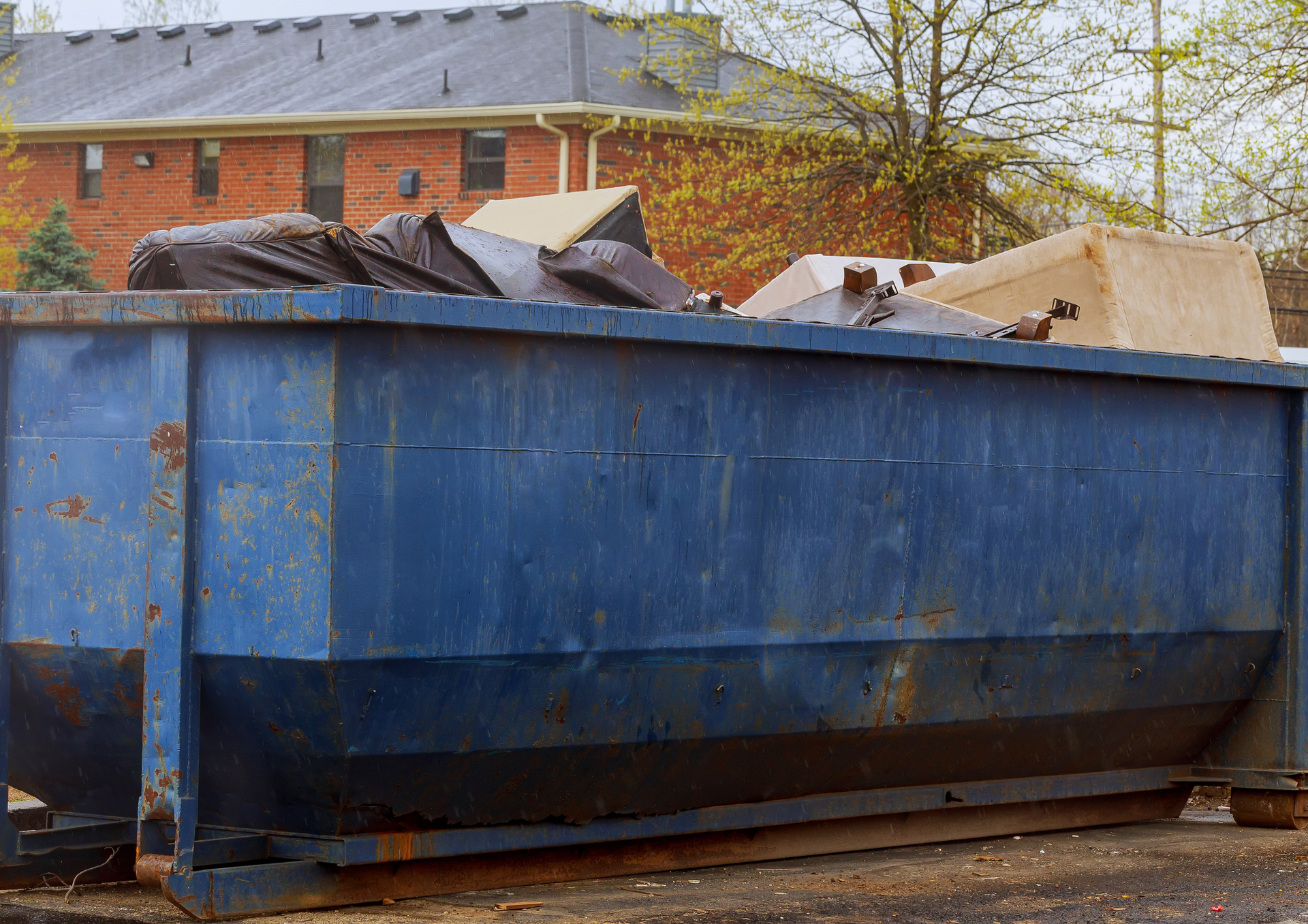

How Cheap Skip Hire Supports Efficient Household Waste Removal
Household projects can create a surprising amount of waste, even when the work initially appears relatively small. Clearing a spare room, replacing an old kitchen, tidying an overgrown garden or preparing a property for new occupants can leave homeowners with materials that cannot conveniently be managed through ordinary household bins. Planning waste removal before starting work can therefore make the entire project easier to organise.
For households in Altrincham and elsewhere, cheap skip hire can provide a practical way to keep unwanted materials contained in one designated place. Rather than allowing bags, broken furniture, packaging and renovation debris to accumulate around the property, a suitable skip provides a central area where permitted waste can be placed as work progresses. This can help maintain access around the home and reduce repeated interruptions caused by dealing with rubbish individually.
Cost is naturally important when planning domestic work, particularly when several expenses need to be managed at the same time. However, customers should consider the complete service rather than focusing entirely on the lowest advertised figure. Delivery arrangements, suitable capacity, collection procedures and clear communication can all contribute to better overall value.
Effective household waste management ultimately begins with planning. Understanding the likely amount of rubbish, identifying the type of materials involved and selecting suitable capacity can help homeowners complete projects in a more organised and efficient way.
Planning Household Waste Removal Before Work Begins
Good preparation can prevent household rubbish from becoming difficult to manage once work is underway. Considering the project scale, expected materials and available space beforehand helps households select a practical waste removal arrangement and maintain an organised property throughout the work.
Assess the Project
- Consider exactly which rooms, outdoor spaces or storage areas will be cleared before arranging waste removal.
- Make a basic list of the materials likely to be discarded, including old furniture, household items, garden materials and renovation debris.
- Larger projects should be divided into manageable stages so waste does not overwhelm the available working space.
- Landlords preparing properties between occupancies may find advance planning particularly useful when several rooms require attention at the same time.
Estimate the Waste Volume
- Try to estimate how much rubbish the project is likely to produce rather than selecting capacity without considering the actual requirements.
- Bulky furniture and fittings can occupy considerable space even when the total number of items appears relatively small.
- Renovation materials may be heavier and more difficult to manage than general household rubbish.
- Allowing reasonable capacity for unexpected waste can reduce the risk of running out of space before the project is complete.
Choose Suitable Capacity
- Small household clearances may require considerably less capacity than full renovations or extensive property clean-outs.
- Selecting cheap skips that are appropriate for the volume being removed can help households manage expenditure without sacrificing practicality.
- A container that is too small may require additional arrangements, while unnecessarily large capacity can mean paying for space that is never used.
- Discussing the project with an experienced provider can make size selection easier when waste quantities are difficult to estimate.
Prepare the Property
- Decide where the container can be positioned before delivery takes place.
- Keep the intended placement area clear of vehicles, stored materials and other obstructions.
- Consider how householders or contractors will carry waste from the property to the container.
- Short, accessible loading routes can make larger clearances and renovations easier to manage.
Check What Can Be Disposed Of
- Customers should establish which materials can be placed in the container before work starts.
- Certain materials may require separate arrangements and should not simply be added to general household rubbish.
- Asking questions before delivery helps prevent confusion once the project is underway.
- Separating appropriate materials can also support more organised processing after collection.
Planning these details before work begins gives householders a clearer idea of what will be required and reduces the likelihood of rushed decisions later.
Balancing Affordability with a Dependable Service
Keeping household project costs under control is important, but price should be considered alongside the quality and suitability of the service. A low quotation has limited value if the container is unsuitable, delivery causes avoidable disruption or collection arrangements are unclear. Comparing what is actually included can therefore provide a more useful picture than looking at the headline figure alone.
Reliable delivery is particularly important when work has been scheduled around weekends, tradespeople or time away from work. If a container is expected before a clearance or renovation begins, having it available at the appropriate stage allows rubbish to be removed as it is produced. This prevents waste from taking over driveways, gardens, garages or internal working areas.
Clear communication is equally valuable. Customers should understand how long the hire arrangement lasts, how collection is requested and whether there are any particular requirements relating to placement. Straightforward information at the beginning can prevent misunderstandings and make it easier to coordinate waste removal with the wider project.
Choosing affordable skip hire should therefore involve looking for a sensible balance between price, capacity and dependable service. Good value means receiving an option suited to the project rather than simply selecting the lowest figure without considering whether it meets the household's requirements.
Local knowledge can also contribute to a smoother experience. Providers familiar with Altrincham and surrounding communities may understand local road layouts, residential access and the practical challenges associated with delivering to different types of property. Similar considerations apply in any location, particularly where narrow streets, parked vehicles or limited driveway space affect access.
Householders should also consider collection arrangements. Once work is complete, having a clear process for removing the filled container helps return the property to normal and prevents waste from remaining on site longer than necessary. This is especially useful for landlords preparing accommodation, homeowners completing renovation work and contractors working to agreed schedules.
The aim should be to choose a service that makes waste management easier throughout the entire project. Affordability matters, but reliability, communication and appropriate capacity all contribute to genuine value.
Matching Skip Capacity to Different Household Projects
Different household projects produce very different quantities and types of rubbish. Matching available capacity to the scale of the work helps prevent wasted space while giving customers enough room to complete their clearance without unnecessary interruptions.
General Household Clearances
- Decluttering bedrooms, cupboards, lofts and garages can produce a mixture of packaging, unwanted possessions and old household items.
- Estimating bulky objects separately can provide a more realistic idea of the required capacity.
- Working through one area at a time helps keep the property organised while the clearance progresses.
Kitchen and Bathroom Renovations
- Removing old fittings, units and other renovation materials can generate substantial volumes of waste in a relatively short period.
- Householders should consider both the amount and nature of the materials being removed.
- Coordinating waste removal with the renovation schedule can prevent discarded materials from obstructing contractors or access routes.
Garden Projects
- Garden clearances may involve branches, vegetation, old fencing and other outdoor materials.
- Bulky garden waste can consume container space quickly even when it is relatively lightweight.
- Breaking suitable materials down into manageable pieces can sometimes make more efficient use of the available capacity.
Moving or Preparing a Property
- Moving home often reveals possessions that are no longer required and have been stored for many years.
- Landlords may also need to clear properties before maintenance, decorating or new occupancy.
- Starting the clearance early gives customers more time to separate items that can be reused from those requiring disposal.
Larger Residential Work
- Extensions, substantial refurbishments and full property clearances can generate considerably more material than everyday household projects.
- Larger jobs benefit from estimating waste requirements before construction or clearance begins.
- When comparing cheap skip hire prices, customers should consider whether the proposed capacity is sufficient for the complete project rather than choosing purely according to the initial quotation.
- Surveyors, property managers and those coordinating larger residential work may also benefit from planning waste requirements alongside other site arrangements.
Choosing capacity according to the actual project helps households use the available space efficiently. It can also make budgeting easier because waste removal is considered as part of the project from the outset rather than becoming an unexpected requirement later.
Keeping Household Projects Organised from Start to Collection
A well-planned waste removal arrangement can make a noticeable difference to how smoothly household work progresses. Once the container has been delivered, maintaining an organised approach helps make efficient use of the available capacity while keeping surrounding areas accessible.
Waste should be moved to the designated area regularly rather than being allowed to accumulate throughout the property. During renovations, this may mean clearing materials at the end of each working period. For household clearances, it can involve completing one room or area before moving to the next. A consistent approach prevents rubbish from spreading into spaces that are still being used.
Using cheap skip hire effectively also involves loading the available space sensibly. Larger suitable items may need to be positioned carefully so they do not create unnecessary gaps, while smaller permitted materials can often be placed around them. Customers should always follow the provider's guidance regarding filling levels and acceptable materials rather than attempting to exceed the intended capacity.
Organisation is particularly important where several people are working on the same property. Contractors, householders or maintenance teams should understand where waste belongs so that materials are not left in access routes or mixed unnecessarily. This can help maintain a tidier site throughout the project.
Timing also matters. Customers should have a reasonable idea of when the work is expected to finish so collection can be coordinated appropriately. If a renovation schedule changes, communicating with the provider can help clarify available options rather than leaving arrangements until the final moment.
For residential properties with limited space, maintaining clear pedestrian and vehicle access deserves additional attention. Waste should not be allowed to spread around the container or interfere with neighbouring properties. Careful loading and routine tidying help maintain a more orderly environment until collection takes place.
The same principles can be applied to commercial properties and work coordinated by local authorities or surveyors. Planning, communication and appropriate capacity remain important regardless of the project's location or scale. A structured approach makes waste removal a manageable part of the work rather than something that has to be addressed after rubbish has already accumulated.
Skip Hire Altrincham provides practical waste removal solutions for homeowners, landlords, surveyors, local authorities and customers managing residential or commercial properties. We understand that every project has different requirements, which is why our approach focuses on clear communication, suitable skip selection and dependable arrangements from initial enquiry through to collection.
Customers considering cheap skip hire can benefit from practical guidance when deciding which option is appropriate for their project. Whether you are clearing household belongings, carrying out renovation work, improving a garden or managing waste from a larger property project, choosing suitable capacity helps keep the process organised.
Our focus is on making skip hire straightforward and easy to understand. By considering project scale, access, expected waste volumes and collection requirements, we help customers plan waste removal around the work they need to complete. This practical approach supports cleaner, more organised residential and commercial projects throughout the local area.
Check out our latest X update on how
cheap skip hire supports efficient household waste removal!
You might also like